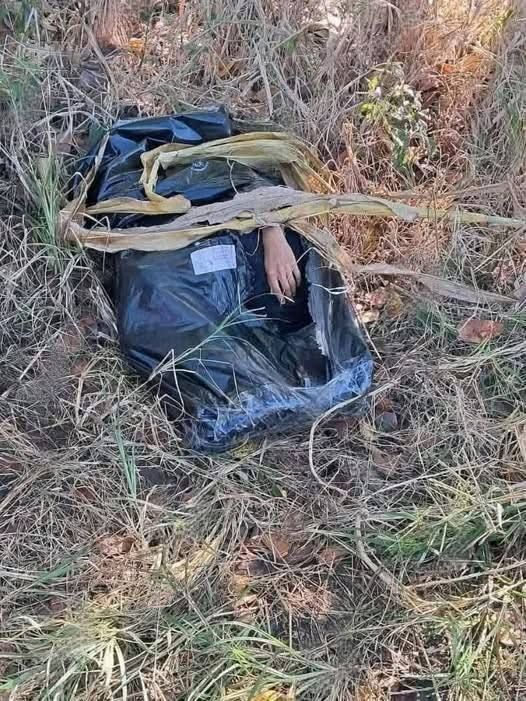
The discovery of unidentified human remains is one of the most solemn and complex situations faced by investigators. These cases often begin quietly—sometimes in remote areas, abandoned locations, or places where few people would expect such a finding. Yet behind each discovery lies a story waiting to be uncovered, a life that once existed, and a family that may still be searching for answers.
While the details vary from case to case, the process of investigating unidentified remains follows carefully established procedures designed to uncover the truth. These procedures combine science, collaboration, and patience, all with the goal of restoring identity and understanding what happened.
By exploring how these investigations work, we gain a deeper appreciation for the effort involved—and the importance of focusing on verified facts rather than speculation.
Why These Discoveries Carry Such Weight
When human remains are found, the situation is immediately treated with seriousness and care. It is not simply a matter of forensic analysis—it is also a humanitarian responsibility. Authorities must determine whether a crime has occurred while also working to identify the individual.
Organizations such as the Federal Bureau of Investigation report that thousands of unidentified remains cases remain open at any given time. This reflects a broader global challenge, as increasing mobility, migration, and population growth make it more likely for individuals to disappear without immediate recognition.
Each case represents more than an investigation. It represents a person whose identity has been lost and whose story remains unfinished.
For families, the uncertainty can be devastating. Not knowing what happened to a loved one creates a unique kind of emotional strain—one that can last for years or even decades.
The First Moments After Discovery
The moment remains are discovered, a structured response begins. Law enforcement agencies are trained to treat every such case with caution, as even the smallest detail can hold significant importance.
Securing the Scene
The first priority is to establish a secure perimeter. This ensures that evidence is not disturbed and that forensic teams can work in a controlled environment.
Investigators carefully document the area, noting details such as:
- The position of the remains
- Surrounding objects or materials
- Environmental conditions
- Signs of disturbance or activity
Even minor clues—such as footprints, tire marks, or soil patterns—can provide critical information about what occurred.
Detailed Forensic Examination
Once the scene is secured, forensic specialists begin their analysis. Medical examiners study the remains to determine key biological characteristics. These may include:
- Approximate age
- Biological sex
- Height and physical build
- Possible ancestry indicators
In addition to physical analysis, investigators examine any clothing, jewelry, or personal belongings found nearby. These items can sometimes provide immediate clues about identity or background.
Determining the cause of death is another crucial step, although it is not always possible—especially in cases where remains have been exposed to the elements for extended periods.
The Role of DNA and Databases
Modern investigations rely heavily on DNA technology. Samples collected from remains are analyzed and compared against existing records.
In the United States, systems like the National Missing and Unidentified Persons System play a vital role in connecting missing-person reports with unidentified remains. These databases allow investigators to cross-reference information and identify potential matches.
DNA may also be compared with samples provided by family members. In some cases, this process leads to identification relatively quickly. In others, it may take years before a match is found.
Collaboration Beyond Borders
In today’s interconnected world, investigations often extend beyond national boundaries. If there is evidence suggesting that the individual may have traveled across regions or countries, international cooperation becomes essential.
Organizations like the Interpol facilitate communication between law enforcement agencies worldwide. By sharing data and resources, they help ensure that cases are not limited by geography.
This level of collaboration has significantly improved the chances of identifying individuals who might otherwise remain unknown.
Why Some Cases Remain Unsolved
Despite advancements in forensic science, many cases remain unresolved for long periods. Several challenges contribute to this reality.
Missing Records
Identification often depends on access to medical or dental records. When these records are unavailable, the process becomes more difficult.
Lack of Family DNA
DNA comparison requires reference samples from relatives. If no family members come forward—or if they are unaware of the disappearance—matching becomes significantly harder.
Delayed Reports
In some cases, individuals are not reported missing immediately. This delay can create gaps in the timeline, making it more difficult to connect missing-person reports with discovered remains.
Research supported by the United States Department of Justice highlights how critical timely reporting is in improving identification outcomes.
Complex Global Factors
On a broader scale, issues such as migration, human trafficking, and natural disasters can complicate investigations. The United Nations Office on Drugs and Crime notes that these factors often intersect with unidentified remains cases, adding layers of complexity.
In such situations, identifying an individual may require years of coordination, research, and persistence.
The Emotional Reality Behind the Science
While much of the investigative process focuses on science and evidence, the human impact cannot be overlooked.
For families of missing persons, uncertainty creates a form of grief that is difficult to process. Psychologists refer to this as “ambiguous loss”—a condition where closure is impossible because the fate of a loved one remains unknown.
When identification eventually occurs, it often brings mixed emotions. On one hand, families gain answers. On the other, they must confront the reality of their loss.
Organizations like the American Psychological Association emphasize the importance of emotional support during this process. Counseling, community support, and open communication can help families navigate their grief.
The Importance of Respectful Handling
Investigators are trained to approach these cases with respect and sensitivity. Every step—from recovery to analysis—is conducted with the understanding that the remains belong to a real person with a life and history.
Many agencies now include victim-assistance specialists who work directly with families. These professionals provide guidance, answer questions, and offer emotional support throughout the investigation.
This approach ensures that the process remains not only scientific but also compassionate.
Why Accurate Reporting Matters
Cases involving unidentified remains often attract significant public attention. However, experts warn that speculation and sensationalism can do more harm than good.
Unverified claims about identity or cause of death can:
- Mislead the public
- Interfere with investigations
- Cause additional distress for families
Responsible reporting focuses on confirmed information, such as:
- Official statements from authorities
- Verified timelines and locations
- Public requests for assistance
By prioritizing accuracy, media coverage can support investigations rather than complicate them.
Advances Changing the Field
Technology has transformed the way these cases are handled, offering new hope for solving long-standing mysteries.
Forensic DNA Genealogy
This method uses genetic data to identify distant relatives, helping investigators build family connections even when close relatives are unknown. It has been instrumental in solving cases that remained unsolved for decades.
Facial Reconstruction
Using skeletal analysis, specialists can create digital or physical approximations of a person’s face. These reconstructions are often shared with the public in hopes that someone will recognize the individual.
Digital Databases
Online platforms allow investigators and families to share information more efficiently. These systems improve communication and increase the chances of identifying missing individuals.
The Role of Public Awareness
Communities play an important role in supporting investigations. Authorities encourage individuals to take proactive steps, including:
- Reporting missing persons as soon as possible
- Keeping medical and dental records updated
- Sharing accurate information with law enforcement
- Avoiding the spread of rumors online
Public cooperation can make a significant difference in solving cases and bringing closure to families.
Restoring Identity and Dignity
At its core, every unidentified remains case is about restoring identity.
Behind the forensic analysis is a person who once had a life—relationships, experiences, and a place in the world. Identifying that individual is not just about solving a case; it is about honoring their existence.
When a name is finally restored, it represents more than a conclusion. It represents dignity, recognition, and the acknowledgment that the person’s story matters.
A Quiet but Powerful Mission
The work of identifying human remains is often carried out without public attention. It is a process that requires patience, expertise, and dedication.
Investigators, forensic scientists, and support teams work tirelessly—sometimes for years—on a single case. Their efforts ensure that individuals are not forgotten, even when time passes and memories fade.
Conclusion
The discovery of unidentified human remains is both a forensic challenge and a deeply human story. Through careful investigation, scientific advancement, and collaboration, authorities strive to uncover the truth and restore identity.
While not every case is solved quickly, each effort represents a commitment to dignity, accuracy, and respect.
For families, answers may take time—but they matter. For communities, awareness and responsibility can help prevent future tragedies.
And for those whose identities are unknown, the work continues—quietly, persistently—until their stories can finally be told.