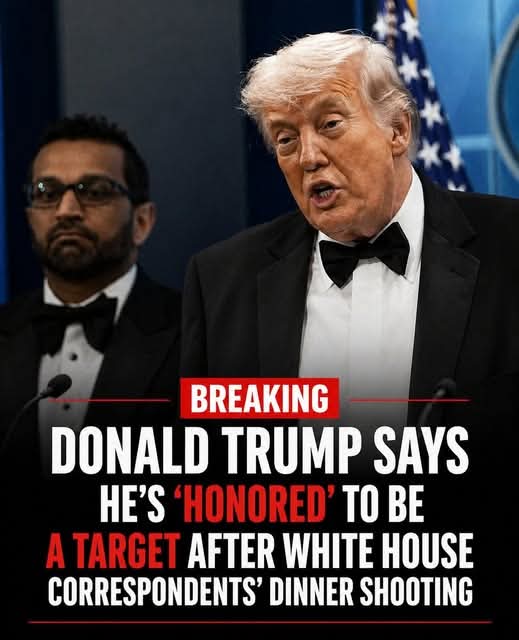
In a shocking turn of events, President Donald Trump expressed his feelings about being a target during the recent shooting incident at the White House Correspondents’ Dinner held on April 25. Speaking to reporters at the White House, Trump stated he felt “honored” to be a target, suggesting that such situations are consequences faced by individuals who make significant impacts. “When you look at our great presidents, [this] doesn’t happen to people who don’t do anything,” he remarked. This incident has drawn widespread media attention and raised significant concerns about security protocols at high-profile events, stirring discussions about the safety measures in place for public gatherings.
The shooting resulted in the apprehension of a 30-year-old man from California, whose identity has yet to be fully disclosed by authorities. Details surrounding the suspect remain murky, with the Secret Service only revealing that his motives are still unknown, leaving the public and officials wondering about the underlying reasons for such a violent act. The individual faces serious charges, including two counts related to the use of a firearm and one count of assaulting a federal officer with a dangerous weapon. This incident highlights the growing concerns about threats against public figures, with Trump describing the suspect as a “very sick person,” emphasizing the severity of the situation and the urgent need for heightened security measures across all public events.
During the press conference, Trump recounted the harrowing moment when shots were fired. He described feeling “totally shocked” and initially mistook the noise for something innocuous, like a falling tray. This sudden transition from a celebratory atmosphere to one of chaos is a stark reminder of how quickly situations can escalate in high-pressure environments. He recalled the frantic response as he and First Lady Melania Trump were quickly moved to a secure location at the Washington Hilton. “It was a matter of seconds that we were out the door,” he stated, highlighting the swift actions taken by security personnel to ensure their safety, which included immediate evacuation protocols that had been rehearsed for such emergencies.
Evacuations included not just the President and First Lady, but also various members of the cabinet and close aides. The Secret Service confirmed that the incident took place at the hotel’s main magnetometer, a crucial security area where guests are screened before entering the event. Fortunately, no individuals from the Trump administration or the attending press were harmed during the chaos. However, a Secret Service agent suffered injuries but was reported to be in stable condition, thanks in part to his protective gear. Trump reassured the public at the press conference, stating that the vest “did its job” and that the agent was “doing great.” This acknowledgment of the agent’s bravery also emphasizes the unseen dangers that security personnel routinely face while protecting high-profile individuals.
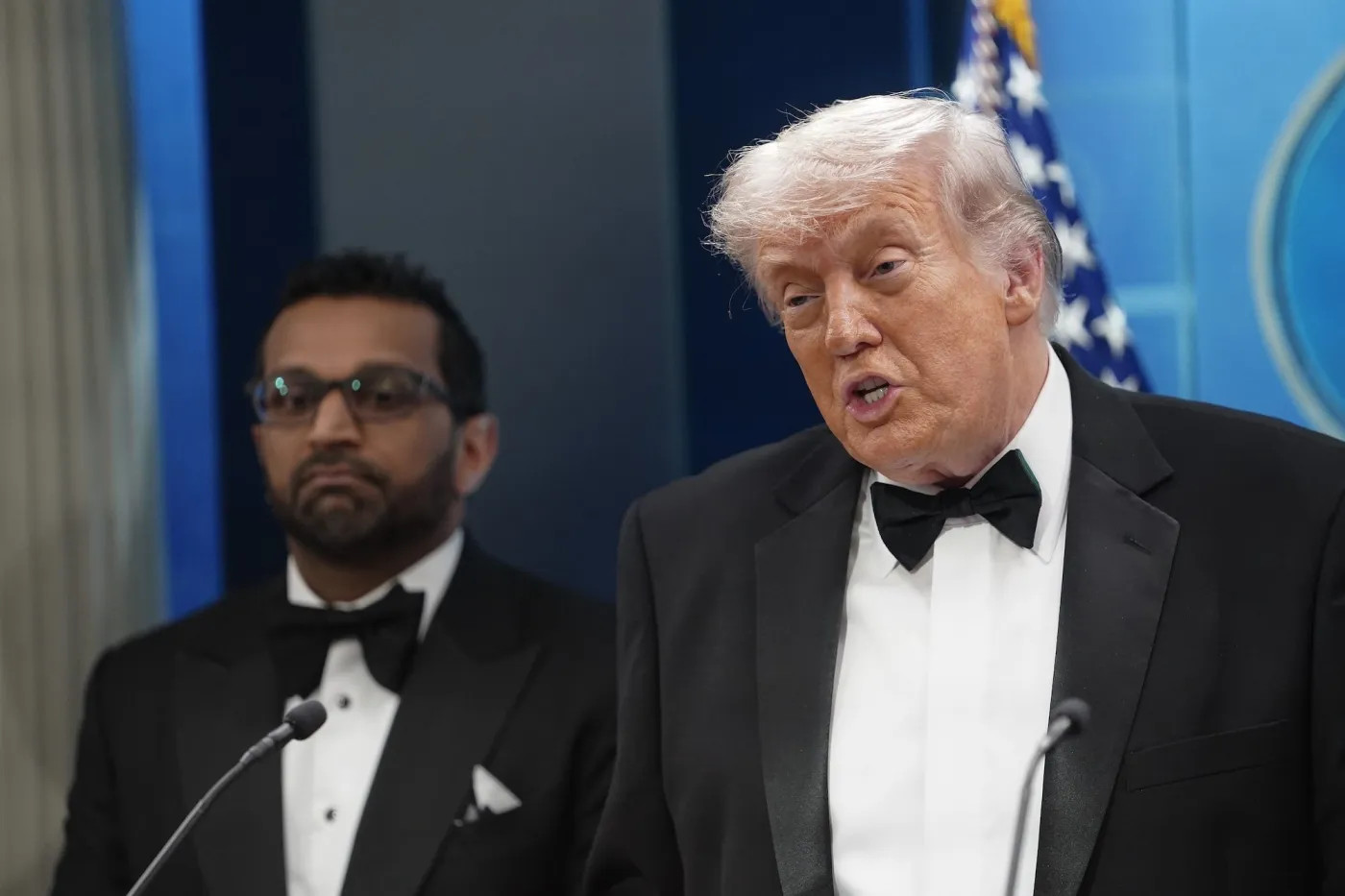
In the aftermath of the shooting, the atmosphere was understandably tense. Initially, Trump expressed a desire for the evening’s events to continue, praising the rapid response of law enforcement. He took to Truth Social to share updates, reiterating that he, Melania, and other cabinet members were safe post-evacuation. “Quite an evening in D.C. Secret Service and Law Enforcement did a fantastic job,” he wrote, indicating his faith in their ability to manage the crisis effectively while also attempting to reassure a shaken public. However, journalist Weijia Jiang, serving as the President of the White House Correspondents’ Association, announced to attendees that the event would not proceed as planned, underlining the seriousness of the situation. The gathering was subsequently rescheduled for a later date—within the next 30 days—as per the directive of law enforcement.
Jiang emphasized the importance of safety, stating, “Law enforcement has requested that we leave the premises,” and reassured those present that everyone was safe. This incident has underscored the inherent risks faced by journalists and public figures, as Jiang poignantly reminded the audience of their role in crisis situations: “journalism is a public service because when there is an emergency we run toward the crisis, not away from it.” Such statements resonate deeply, reinforcing the commitment of the media to deliver truth and accountability, even amidst personal risk. The response also highlights the broader societal implications of violence against journalists and public figures, raising questions about freedom of speech and the right to assemble peacefully.
The emotional toll of the event was palpable. Erika Kirk, CEO of Turning Point USA, who was present at the dinner, was seen visibly upset in the aftermath. Having faced her own tragic loss with the shooting of her husband last September, she expressed her discomfort and desire to leave the venue immediately. Such reactions highlight the profound impact of violence not only on the immediate victims but also on those who bear witness to it, reinforcing the need for continued discussions on personal safety and mental health in the face of trauma. The repercussions of such violent incidents extend far beyond the immediate physical threat, often leaving psychological scars that last long after the event has ended.
This incident at the White House Correspondents’ Dinner serves as a stark reminder of the challenges faced by public officials and journalists alike in an increasingly volatile environment. As more information surfaces, it will be essential to examine the implications for security at future events and how best to protect individuals in the public eye. The resilience shown by those present, and the steps taken to ensure everyone’s safety, will play a crucial role in how similar situations are managed moving forward. With ongoing discussions about public safety and the need for enhanced protective measures, such incidents may prompt a reevaluation of security protocols not just at political events, but across all gatherings where public figures are present.