Eyebrows have long been one of the most expressive features in beauty culture, shaping how faces are perceived and how trends evolve across generations. In today’s digital age, platforms like TikTok and Instagram have accelerated that evolution, turning everyday grooming into a space for bold experimentation and artistic expression.
From sharply sculpted arches to bleached looks and intricate “fishtail” designs, modern beauty trends increasingly blur the line between routine makeup and visual art. Among the more unconventional ideas to gain attention is the concept of “halo brows,” a striking and highly stylized approach that quickly went viral online.
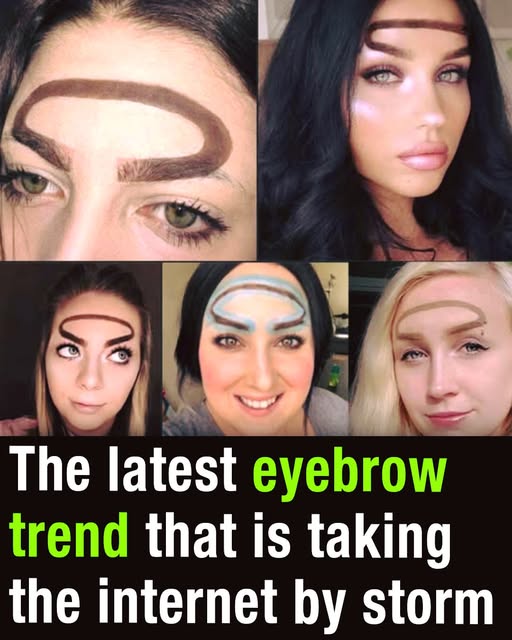
The halo brow design connects both eyebrows into a single curved arc across the forehead, forming a shape reminiscent of a halo. Rather than serving as a practical beauty technique, it exists primarily as a creative experiment—an exploration of symmetry, exaggeration, and visual impact.
This trend was popularized by Hannah Lyne, known for her imaginative and unconventional makeup work. Inspired in part by earlier viral styles like fishtail brows, Lyne developed the look as a playful extension of existing eyebrow art rather than a serious attempt to redefine everyday beauty standards.
As with many viral trends, halo brows spread rapidly through reposts, reactions, and commentary. The response was deeply divided. Some viewers praised the creativity and technical precision required to achieve such a symmetrical and unusual design, viewing it as a form of modern makeup artistry. Others questioned its practicality, seeing it as exaggerated or even satirical.
This divide highlights a broader shift in beauty culture. Increasingly, trends are not just about what people wear in daily life, but about what they share, discuss, and react to online. In many cases, looks like halo brows are less about adoption and more about sparking conversation—functioning as visual statements rather than practical routines.
Beauty experts often frame these trends as part of a growing avant-garde movement, where makeup becomes a medium for experimentation, identity, and digital storytelling. Social media encourages rapid innovation, allowing bold ideas to gain global visibility almost instantly—even if they are short-lived.
The halo brow phenomenon fits neatly into this landscape. Whether seen as art, satire, or simply internet curiosity, it reflects how beauty is evolving into a more open, expressive, and interactive form of communication.
Ultimately, its significance lies not in becoming mainstream, but in what it represents: a culture increasingly willing to challenge norms, celebrate individuality, and redefine what beauty can look like in a connected, digital world.