Introduction
Incidents involving harm to animals often spark deep emotional reactions and widespread public concern. Beyond the immediate shock, such cases raise broader questions about societal values, legal frameworks, and the responsibilities individuals and communities share in protecting vulnerable living beings.
A recent case in Bananal, a municipality in the state of São Paulo, Brazil, has drawn national attention and reignited discussions about animal welfare, accountability, and prevention. While details surrounding the incident are still being reviewed by authorities, the situation has become a focal point for conversations about how societies respond to and prevent cruelty toward animals.
This article takes a thoughtful and responsible look at the situation, avoiding sensationalism while focusing on the lessons it offers regarding awareness, education, and the importance of humane treatment of animals.
The Reported Incident
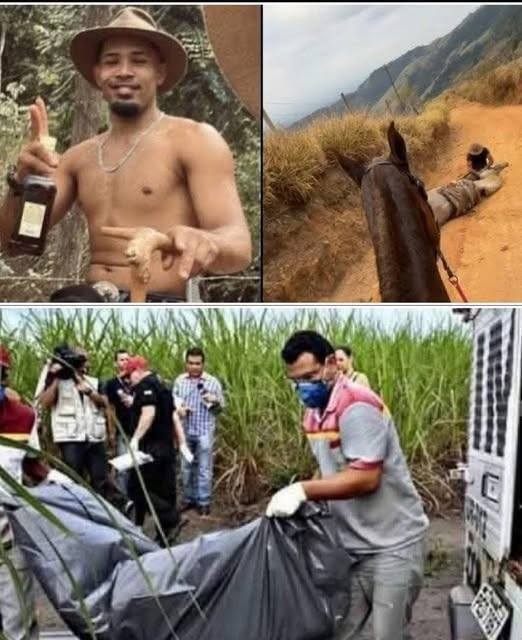
According to initial reports, a young individual in Bananal is under investigation in connection with a case involving severe harm to a horse. Authorities have confirmed that the matter is being handled through proper legal channels, with statements collected and an inquiry underway.
While the details have circulated widely online, it is important to approach such information with caution and responsibility. In many cases, early reports can be incomplete or lack full context. Law enforcement agencies and investigators play a critical role in verifying facts, ensuring due process, and determining the appropriate legal outcome.
The incident has nonetheless triggered a strong public response, highlighting the deep emotional bond many people feel toward animals and the expectation that they be treated with care and respect.
Public Reaction and Social Media Influence
In today’s digital age, news spreads rapidly across social media platforms. Stories involving animals often resonate strongly with audiences, leading to widespread sharing, commentary, and calls for action.
The Bananal case quickly gained attention online, with users expressing concern, sadness, and frustration. Public figures and influencers also joined the conversation, emphasizing the importance of accountability and humane treatment of animals.
However, the rapid spread of information also brings challenges. Social media discussions can sometimes amplify unverified claims or emotional interpretations before official findings are released. This underscores the importance of relying on credible sources and allowing investigations to proceed without interference or misinformation.
Despite these challenges, the public response reflects a growing awareness of animal welfare issues and a collective desire to prevent similar incidents in the future.
Legal Framework for Animal Protection
Animal protection laws exist in many countries, including Brazil, where legislation outlines penalties for mistreatment and neglect. These laws are designed to safeguard animals and hold individuals accountable for harmful actions.
Under Brazilian law, acts of cruelty toward animals are considered criminal offenses. Penalties may include fines and imprisonment, depending on the severity of the case and the outcome of legal proceedings. Over time, there has been increasing pressure from advocacy groups and the public to strengthen these laws and ensure stricter enforcement.
The Bananal case has renewed discussions about whether existing legal measures are sufficient. While laws provide a framework for justice, their effectiveness depends on consistent enforcement, public awareness, and ongoing evaluation to address emerging concerns.
The Broader Issue of Animal Welfare
While individual cases often capture headlines, they are part of a larger global issue. Animal welfare encompasses a wide range of concerns, including proper care, humane treatment, and the prevention of unnecessary suffering.
Many organizations around the world work to promote animal rights and improve conditions for domestic animals, wildlife, and livestock. These efforts include:
- Rescue and rehabilitation programs
- Public education campaigns
- Advocacy for stronger legal protections
- Support for responsible pet ownership
The Bananal case serves as a reminder that animal welfare is not just an institutional responsibility but a shared societal obligation. Communities play a vital role in recognizing, reporting, and preventing harm.
The Role of Education and Awareness
One of the most effective ways to prevent cruelty toward animals is through education. Teaching individuals—especially young people—about empathy, responsibility, and respect for living beings can have a lasting impact.
Educational initiatives may include:
1. School Programs
Introducing animal welfare topics in schools helps children understand the importance of kindness and responsibility from an early age.
2. Community Outreach
Workshops, seminars, and public campaigns can raise awareness about proper animal care and the consequences of neglect or abuse.
3. Media Responsibility
Responsible reporting ensures that sensitive topics are presented in a way that informs rather than sensationalizes, encouraging constructive dialogue.
By fostering a culture of empathy and awareness, societies can reduce the likelihood of harmful behavior and promote a more compassionate environment.
Psychological and Social Considerations
Experts often emphasize that harmful behavior toward animals can be linked to broader psychological or social factors. While each case is unique, understanding underlying causes can help in developing preventive strategies.
Factors that may contribute to such behavior include:
- Lack of education about animal care
- Exposure to violence or neglect
- Substance abuse or impaired judgment
- Limited access to mental health support
Addressing these factors requires a comprehensive approach that combines education, social services, and community support systems.
It is important to note that identifying contributing factors does not excuse harmful actions. Instead, it helps inform prevention efforts and encourages a more proactive approach to addressing root causes.
The Responsibility of Communities
Communities play a critical role in preventing and responding to animal welfare concerns. Neighbors, local organizations, and individuals are often the first to notice signs of neglect or mistreatment.
Key Community Actions Include:
- Reporting suspected cases to authorities
- Supporting local animal shelters and rescue groups
- Promoting responsible pet ownership
- Encouraging open discussions about animal welfare
When communities work together, they create an environment where harmful behavior is less likely to go unnoticed and more likely to be addressed promptly.
The Importance of Responsible Reporting
Media coverage of sensitive topics carries significant responsibility. While it is important to inform the public, it is equally important to avoid exaggeration, graphic descriptions, or misleading narratives.
Responsible reporting should:
- Focus on verified information
- Avoid unnecessary sensationalism
- Highlight constructive solutions
- Respect the dignity of all involved
By maintaining these standards, media outlets can contribute to meaningful discussions rather than amplifying fear or misinformation.
Moving Toward Stronger Protections
The Bananal case has sparked renewed calls for stronger animal protection measures. While progress has been made in many regions, ongoing efforts are needed to ensure that laws remain effective and relevant.
Potential Areas for Improvement:
- Enhanced enforcement of existing laws
- Increased penalties for severe offenses
- Greater support for animal welfare organizations
- Improved access to reporting mechanisms
These measures, combined with public awareness and education, can help create a more robust system for protecting animals.
A Moment for Reflection
Incidents like the one reported in Bananal are difficult to process, but they also present an opportunity for reflection and growth. They remind us of the importance of compassion, responsibility, and vigilance in our daily lives.
Rather than focusing solely on the negative aspects of such cases, it is valuable to consider how they can inspire positive change. Increased awareness, stronger community involvement, and a commitment to humane treatment can all contribute to a better future for animals.
Conclusion
The situation in Bananal has brought attention to critical issues surrounding animal welfare, legal accountability, and societal responsibility. While investigations continue and details are clarified, the broader message is clear: protecting animals requires collective effort and ongoing commitment.
By promoting education, supporting stronger laws, and encouraging responsible behavior, societies can reduce the likelihood of similar incidents and foster a culture of respect for all living beings.
Ultimately, the way we treat animals reflects our values as a society. Through awareness, compassion, and action, we can work toward a world where every living creature is treated with dignity and care.