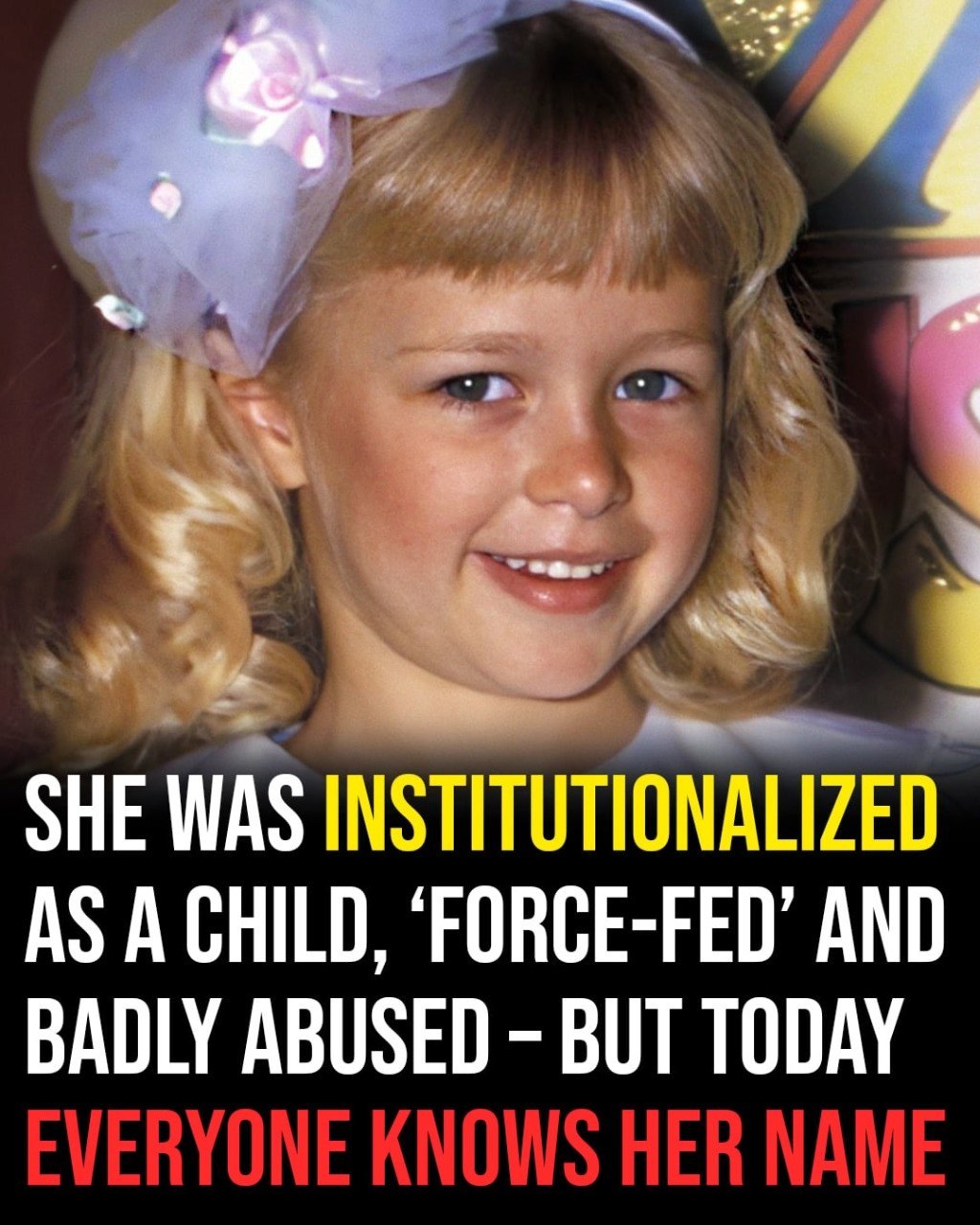
Before the fame, before the headlines, before the empire—Paris Hilton was just a teenager who felt powerless, unheard, and trapped in a system she couldn’t escape.
The world came to know her as something entirely different.
For years, Paris Hilton was framed as a caricature: the glamorous heiress with the high-pitched voice, the party-girl persona, the symbol of excess and celebrity culture in the early 2000s. She was laughed at, dismissed, and reduced to a stereotype that followed her everywhere. But that version of her wasn’t the full story—it wasn’t even close.
It was a mask.
Behind that carefully constructed image was a reality she kept hidden for decades. A reality that began when she was just 14 years old, at a time when most teenagers are still figuring out who they are. Instead of normal adolescence, she was sent away to a “troubled teen” facility—a place she would later describe as deeply traumatic.
According to her own account, what she experienced there went far beyond strict discipline.
She has spoken openly about being forcibly medicated, subjected to emotional and psychological abuse, and stripped of basic autonomy. The environment, she said, was not about guidance or rehabilitation—it was about control. Humiliation became routine. Fear became constant. And over time, that fear settled into something that didn’t leave when she walked out the door.
It stayed with her.
For years.
Even as her public life exploded into global fame.
While the world watched her rise as a pop culture figure, building a brand that seemed effortless and exaggerated, she was quietly carrying the weight of experiences she hadn’t yet confronted publicly. The persona she leaned into—the voice, the attitude, the image—became a shield. It allowed her to navigate a world that had already decided who she was, without ever forcing her to reveal who she had been.
That separation was intentional.
Because the truth was harder to tell.
She has described living with recurring nightmares for nearly two decades. The kind that don’t fade with time. The kind that pull you back into moments you’d rather forget. The kind that remind you that some experiences don’t end when they’re over—they continue in ways that aren’t always visible.
And for a long time, she chose silence.
Not because she didn’t have a voice—but because speaking meant reliving it. It meant exposing something deeply personal to a world that had already shown it preferred a simpler, more digestible version of her story.
But eventually, that changed.
When she finally decided to speak publicly, it wasn’t just about telling her own story. It was about exposing a broader system—an entire industry built around “troubled teen” programs that, according to many accounts, operate with limited oversight and significant power over vulnerable individuals.
Her voice shifted the conversation.
Standing before lawmakers, she didn’t present herself as a celebrity. She spoke as someone who had lived through something that needed to be addressed. Her testimony wasn’t theatrical. It was direct, grounded, and focused on accountability.
She described what had happened to her in detail. Not to shock—but to inform. Not to gain sympathy—but to push for change.
And it worked.
Her involvement helped bring attention to an issue that had long existed in the background. Stories began to surface from others with similar experiences. Patterns emerged. Questions were raised. And for the first time, the conversation moved beyond isolated accounts into something larger.
Something systemic.
That shift marked a turning point—not just in how people saw her, but in how she chose to use her influence.
Because by that point, Paris Hilton was no longer just a media figure. She had built a business empire. She had established herself as a brand, a businesswoman, and a global presence that extended far beyond her early image.
She didn’t need to speak out.
But she chose to.
And that choice redefined her narrative.
Today, she is not only a successful entrepreneur but also a wife and a mother. Her life looks different on the surface—more grounded, more private in certain ways—but the impact of her past hasn’t disappeared. Trauma doesn’t operate on a timeline. It doesn’t resolve just because life moves forward.
Even as she embraced motherhood, including through IVF and surrogacy, she has acknowledged that some scars remain. They don’t define her—but they are part of her.
And instead of hiding them, she’s chosen to confront them openly.
That’s what makes her story resonate now in a way it didn’t before.
Because it’s no longer about image.
It’s about truth.
She has described her mission in simple terms: to be the person she needed when she was younger. That statement carries weight—not because it’s dramatic, but because it’s direct. It reflects a shift from survival to purpose.
From silence to action.
And that action continues.
She remains involved in advocacy efforts, pushing for stronger protections, better oversight, and greater awareness around institutions that deal with vulnerable youth. She uses her platform not just to speak—but to influence change.
That’s the difference between visibility and impact.
One is about being seen.
The other is about making something happen.
For years, the world saw Paris Hilton one way.
Now, they see something else entirely.
Not a caricature.
Not a punchline.
But someone who took a past she couldn’t control and turned it into something that might help others avoid the same experience.
And that shift didn’t happen overnight.
It took time.
It took honesty.
And it took the willingness to tell a story that was never meant to be easy.
Because sometimes, the most powerful thing a person can do isn’t to reinvent themselves.
It’s to finally reveal who they’ve been all along.