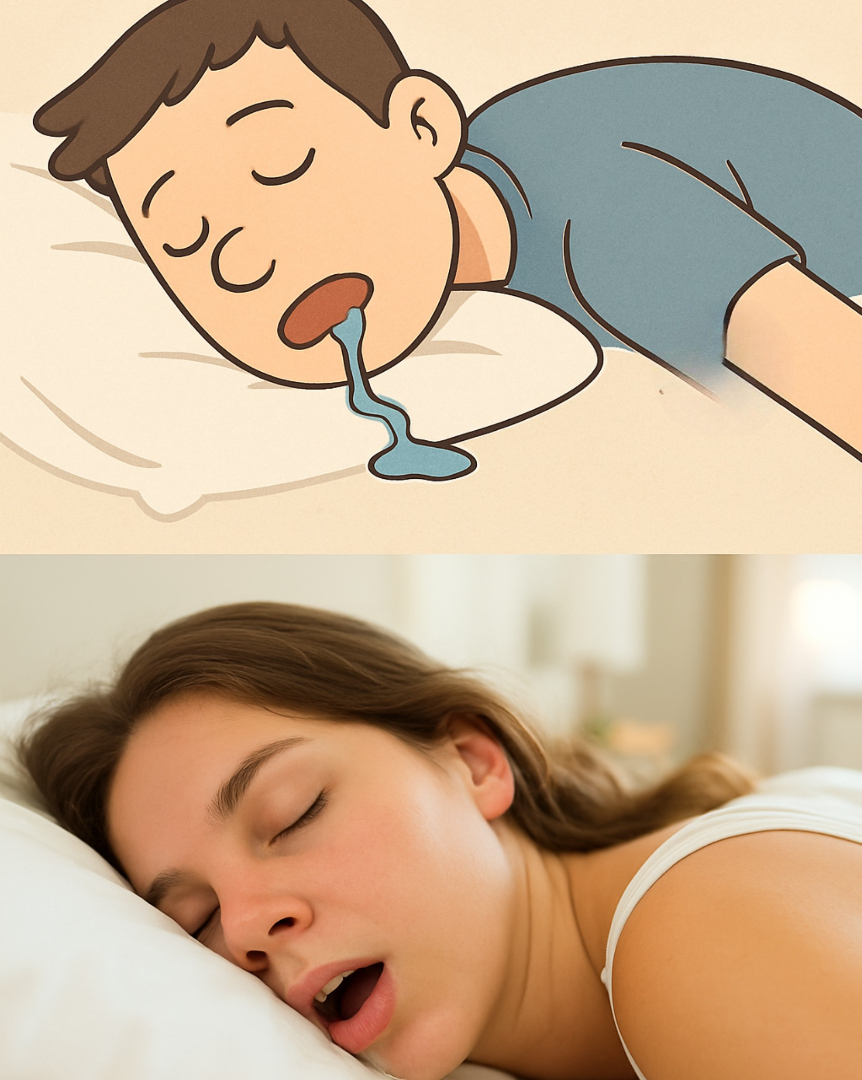
 If You Drool While Sleeping Often, Check for These 6 Possible Health Conditions
Waking up to a damp pillow from drooling can feel embarrassing—but it’s more common than you might think. Occasional drooling during sleep is usually harmless, especially if you sleep on your side or are in a deep sleep. However, frequent or excessive drooling could sometimes point to an underlying health issue worth paying attention to.
Here are six conditions that may be linked to frequent nighttime drooling—and what you should know about them.
 1. Sleep Apnea
Sleep Apnea is a condition where breathing repeatedly stops and starts during sleep. This can cause mouth breathing, which often leads to drooling. Other signs include loud snoring, gasping for air at night, and daytime fatigue.
 2. Sinus Infections or Nasal Congestion
 3. Parkinson’s Disease
Parkinson’s Disease affects muscle control, including those involved in swallowing. People with this condition may produce normal amounts of saliva but have difficulty managing it, which can result in drooling.
 4. Stroke
A Stroke can weaken facial muscles and affect swallowing, making drooling more likely—especially during sleep. If drooling is paired with facial drooping, slurred speech, or weakness, it requires urgent medical attention.
 5. Infections Affecting the Throat
Conditions like tonsillitis or throat infections can make swallowing painful or difficult. As a result, saliva may accumulate and spill out during sleep.
 6. Acid Reflux (GERD)
 When Should You Be Concerned?
Drooling occasionally is normal. However, you may want to consult a healthcare professional if you notice:
- Persistent or worsening drooling
- Difficulty swallowing
- Snoring or breathing interruptions during sleep
- Sudden onset of symptoms
- Other neurological signs (like muscle weakness or tremors)
 Simple Tips to Reduce Drooling
- Try sleeping on your back instead of your side
- Keep your nasal passages clear (humidifiers or saline sprays can help)
- Stay hydrated
- Maintain good oral hygiene
- Address allergies or sinus issues promptly
 Final Thoughts
Drooling in your sleep isn’t always something to worry about—but when it happens frequently, it can be your body’s way of signaling that something needs attention. Paying close attention to other symptoms and seeking medical advice when necessary can help you stay on top of your health.