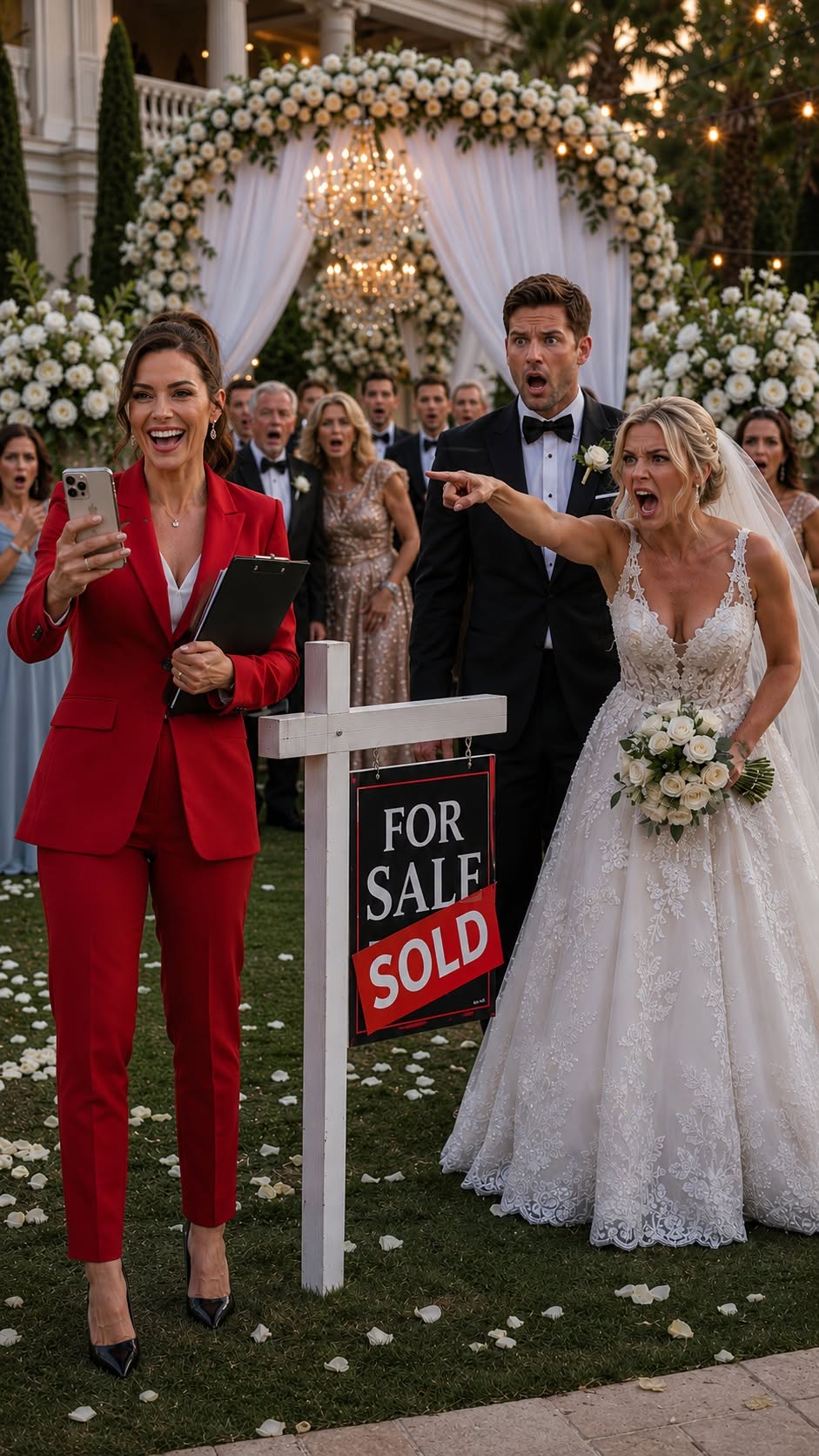
Chapter 1: The Spinster in the Shadows
The air in my own kitchen smelled of expensive eucalyptus and sheer audacity.
Nicole stood by the marble island—my marble island—her manicured fingers drumming an impatient, staccato rhythm against the stone. She was draped in a tailored, ivory bridal consultation suit, looking every inch the young, affluent heiress she so desperately pretended to be. I stood opposite her, wearing a faded wool cardigan, clutching a mug of tepid coffee.
“You’re not actually planning on being visible during the reception, are you?” Nicole asked, her voice dripping with the kind of saccharine condescension usually reserved for confused toddlers.
I blinked, the exhaustion of the past eight months settling heavily behind my eyes. “It is my home, Nicole. Where exactly would you like me to go?”
She scoffed, a sharp, ugly sound that shattered the morning quiet. She looked me up and down, her gaze lingering on my unstyled hair and tired posture. “Look at yourself, Sierra. You’re just a sad, bitter old woman. A spinster haunting a house that’s frankly too big for you. My family is flying in from Milan. Dalton’s friends are arriving from the city. I am not having my aesthetic ruined by you hovering in the background like some depressed housekeeper. Go to a hotel. Stay in the basement. I don’t care. Just stay out of sight.”
She didn’t wait for an answer. She spun on her designer heel and marched out of the kitchen, shouting for my brother, Dalton, to come look at the floral swatches.
I stood completely still, listening to the echo of her stilettos against the hardwood floors I had sanded and stained with my own hands. A sad, bitter old woman. The insult hung in the air, a toxic vapor that settled into my lungs.
For two years, I had given Dalton and his fiancé a roof over their heads out of love, trust, and the naive belief that family meant something sacred. I had opened the doors of Hawthorne House—the historic, four-bedroom colonial I had spent a decade saving for—because Dalton had lost his job and needed a lifeline.
Instead of a sanctuary, my home had become a theater of my own marginalization. I had been slowly pushed into the margins, treated like an unwelcome squatter in the very sanctuary I had built.
A strange, crystalline calmness washed over me. It wasn’t the fiery heat of rage; it was the glacial, terrifying serenity of a woman who had finally been pushed one millimeter too far.
I set my coffee mug down. I walked up the back staircase, bypassing the master suite they had long ago commandeered, and entered the small guest room I now inhabited. I sat in front of my computer, the screen glowing like a beacon in the dim room.
I wasn’t going to argue. I wasn’t going to cry.
I moved my mouse, the plastic clicking beneath my fingers, each sound making the newly formed architecture of my decision feel profoundly real. I was going to sell the house.
Not someday. Not after the wedding.
Now.
I picked up my phone and dialed the one person who could execute an apocalypse quietly. The line rang twice before a familiar, gravelly voice answered.
“Mark Sterling, Real Estate.”
“Mark,” I breathed, staring out the window at the sprawling backyard where white reception tents were already being erected. “I need the house sold. And I need it done before Saturday.”
There was a heavy pause on the line. Mark was a shark, a man who read between the lines for a living. He didn’t ask if I was sure. He didn’t ask why.
“Cash buyer,” he murmured. “Below market value to expedite the closing. I have a developer who will sign the papers blindfolded if the price is right. Are you ready for this, Sierra?”
“Draft the paperwork,” I whispered, my eyes locking onto the figure of my brother in the yard below, laughing as he helped his bride unroll a carpet over my garden. “Burn it down.”