Although anklets are now mostly seen as a fashion detail, they carry a long and meaningful history shaped by symbolism, tradition, and cultural identity. Their lasting appeal comes not only from their beauty, but also from the depth of meaning they have held in different societies over time.
In ancient Egypt, anklets were valued for more than decoration. They were often believed to bring protection and good fortune. Some laborers wore anklets with small charms that created gentle sounds as they walked, and these were thought to help keep insects away while also offering a sense of spiritual reassurance.
In India, anklets, often called payal, have a particularly rich cultural meaning. Traditionally crafted from silver, they are commonly associated with married women and are an important part of jewelry worn during weddings and other traditional celebrations. The soft sound they make while moving is often linked to femininity, commitment, and the beauty of custom passed down through generations.
Anklets also appeared in other parts of the world, including the Middle East and ancient Rome, where they were connected to wealth, status, and social identity. In these settings, the accessory could express far more than personal taste, revealing a person’s place in society or the traditions they belonged to.
Today, the anklet is most often worn as a form of personal style and self-expression. It pairs easily with sandals, dresses, and warm-weather outfits, adding a subtle touch of charm to both casual and elegant looks. Its beauty lies in how simple it is, yet how much attention it can draw without ever seeming overwhelming.
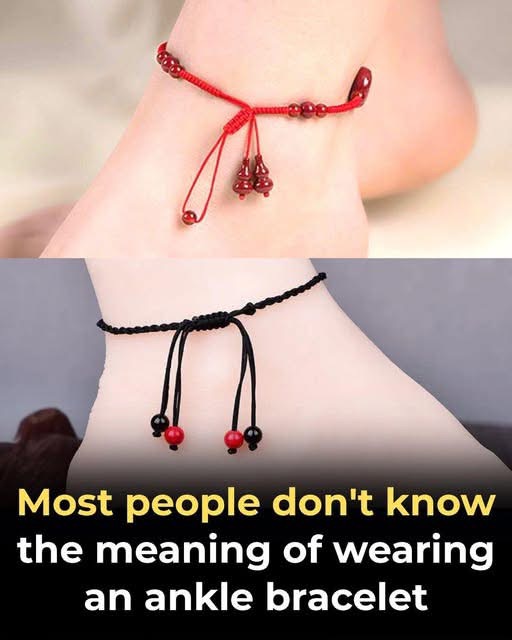
Modern anklet styles are more varied than ever. Some are made of gold or silver for a classic and refined appearance, while others use pearls, shells, beads, or colorful cords for a more playful and relaxed effect. This variety allows people to choose pieces that reflect their individuality while still echoing the traditions that gave anklets meaning in the first place.
There is no universal rule about which ankle an anklet should be worn on. Today, that choice is entirely personal and usually depends on comfort, preference, or style.
In the end, the anklet remains a small but meaningful accessory that brings together beauty, history, and individuality. It is a graceful detail that continues to connect modern fashion with centuries of tradition, proving that even the simplest pieces can carry lasting significance.